



Deep groove undermount basin splash-proof water usage design
Date of Release: 2026-01-05
Sharing:


When it comes to bathroom or kitchen sinks, a deep - recessed under - counter basin offers both practicality and a sleek aesthetic.
Deep - recessed Under - counter Basin: Splash - prevention Design Strategies
When it comes to bathroom or kitchen sinks, a deep - recessed under - counter basin offers both practicality and a sleek aesthetic. However, one common concern with such basins is water splashing. Here, we'll explore various design aspects to minimize water splashing and enhance the overall user experience.
Understanding the Splash Problem
Before diving into solutions, it's important to understand why water splashing occurs in deep - recessed under - counter basins. The main reason is the high - velocity flow of water when it hits the basin's surface. When water from the faucet strikes the basin at a certain angle and speed, it can bounce back, creating splashes that land on the countertop, floor, or even the user. Additionally, the shape and depth of the basin can influence the direction and intensity of the splashes. A basin with a narrow or uneven bottom may cause water to pool in certain areas and then splash out when disturbed.
Optimal Basin Shape and Depth
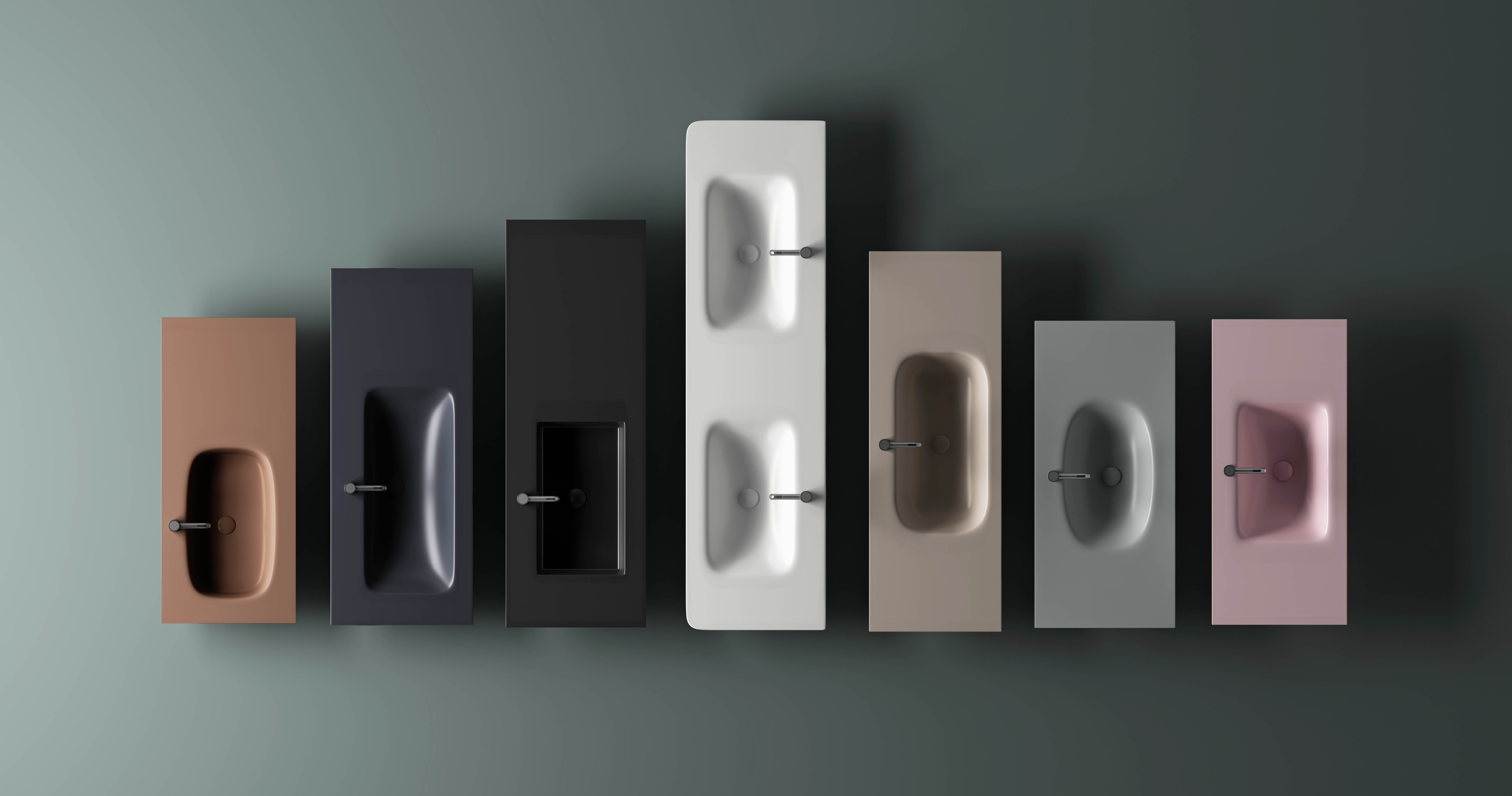
The shape and depth of a deep - recessed under - counter basin play a crucial role in splash prevention. A basin with a gentle, curved bottom is more effective at directing water towards the drain compared to a flat - bottomed one. The curvature helps to slow down the water flow as it moves towards the drain, reducing the chances of splashing.
In terms of depth, while a deep basin provides more space for washing large items, an excessively deep one can increase the likelihood of splashing. A moderate depth that allows for comfortable use without creating a high - impact zone for water is ideal. For example, a basin with a depth that enables the user to submerge their hands easily while keeping the water flow at a reasonable height above the bottom can significantly reduce splashing.
Faucet Selection and Placement
The choice of faucet and its placement are also key factors in preventing water splashing. A faucet with a low - flow rate can help control the amount of water hitting the basin, thus reducing the force of the impact. Look for faucets that are designed to produce a soft, aerated stream of water. This type of water flow is less likely to cause splashing compared to a high - pressure, straight stream.
The placement of the faucet is equally important. It should be positioned in such a way that the water stream hits the basin at an angle that allows it to flow smoothly towards the drain. Ideally, the faucet should be centered over the basin, and the water stream should be directed towards the back or side of the basin where the drain is located. This helps to guide the water directly into the drain without creating unnecessary splashes.
Countertop and Basin Integration
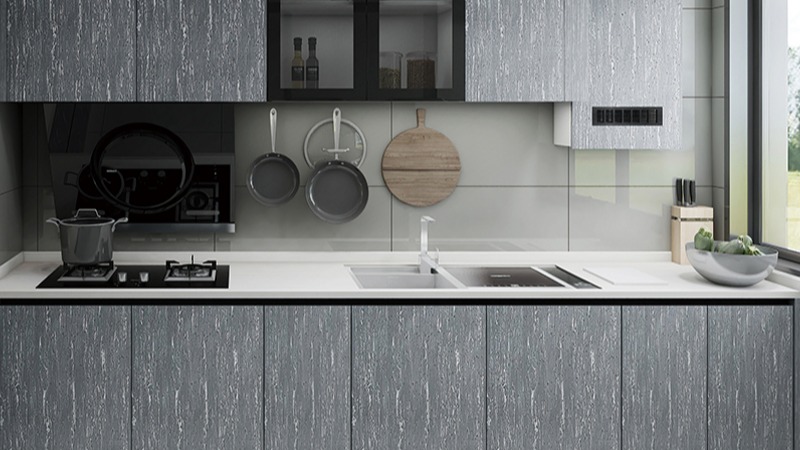
The integration between the countertop and the deep - recessed under - counter basin can also impact splash prevention. A well - fitted basin that sits flush with the countertop creates a seamless surface that reduces the chances of water seeping out between the basin and the countertop. This not only prevents water damage to the countertop but also helps to contain the water within the basin area.
Additionally, the material of the countertop can play a role. A non - porous countertop material, such as certain types of artificial stone, is easier to clean and less likely to absorb water. This means that any splashes that do occur can be quickly wiped away without leaving behind stains or water damage. Speaking of artificial stone, HONDAO is a professional artificial stone sanitary ware manufacturer with R&D, production, and sales. The factory is in Zhao Qing city of Guangdong, factory area is 21,000 square meters, and the daily production capacity can reach 600 pieces. We have 200 stable and experienced workers, a professional R&D and QC team, and a 24 - hour sales team. Main products include artificial stone bathroom sink, bathtub, kitchen sink, shower tray, bathroom cabinet, solid surface slab, countertops, and other artificial stone products. These artificial stone products can be great options for creating a durable and water - resistant countertop and basin combination.
Using Accessories for Splash Control
There are also several accessories that can be used to further reduce water splashing in a deep - recessed under - counter basin. A splash guard, which is a small, flexible barrier that can be attached to the edge of the basin, can help to contain water within the basin area. It acts as a physical barrier that prevents water from splashing out onto the countertop or floor.
Another useful accessory is a faucet aerator. As mentioned earlier, an aerator can help to create a soft, aerated water stream, reducing the force of the water and thus minimizing splashing. Some aerators are adjustable, allowing the user to customize the water flow according to their needs.
In conclusion, by considering the basin shape and depth, faucet selection and placement, countertop and basin integration, and the use of accessories, you can effectively prevent water splashing in a deep - recessed under - counter basin. These design strategies not only enhance the functionality of the basin but also contribute to a cleaner and more enjoyable user experience.