



Exhibition of Artistic Style Bathtub Decoration and Application
Date of Release: 2026-03-10
Sharing:


Exhibition spaces demand fixtures that blend functionality with aesthetic appeal to captivate visitors and reinforce brand identity.
Elevating Exhibition Spaces: Artistic Washbasin Designs for Modern Showrooms
Exhibition spaces demand fixtures that blend functionality with aesthetic appeal to captivate visitors and reinforce brand identity. Artistic washbasins, crafted from innovative materials, serve as focal points in showrooms, transforming mundane areas into visually striking displays. This guide explores how to integrate artistic washbasins into exhibition layouts, emphasizing design versatility, material durability, and spatial harmony.
The Role of Artistic Washbasins in Showroom Design
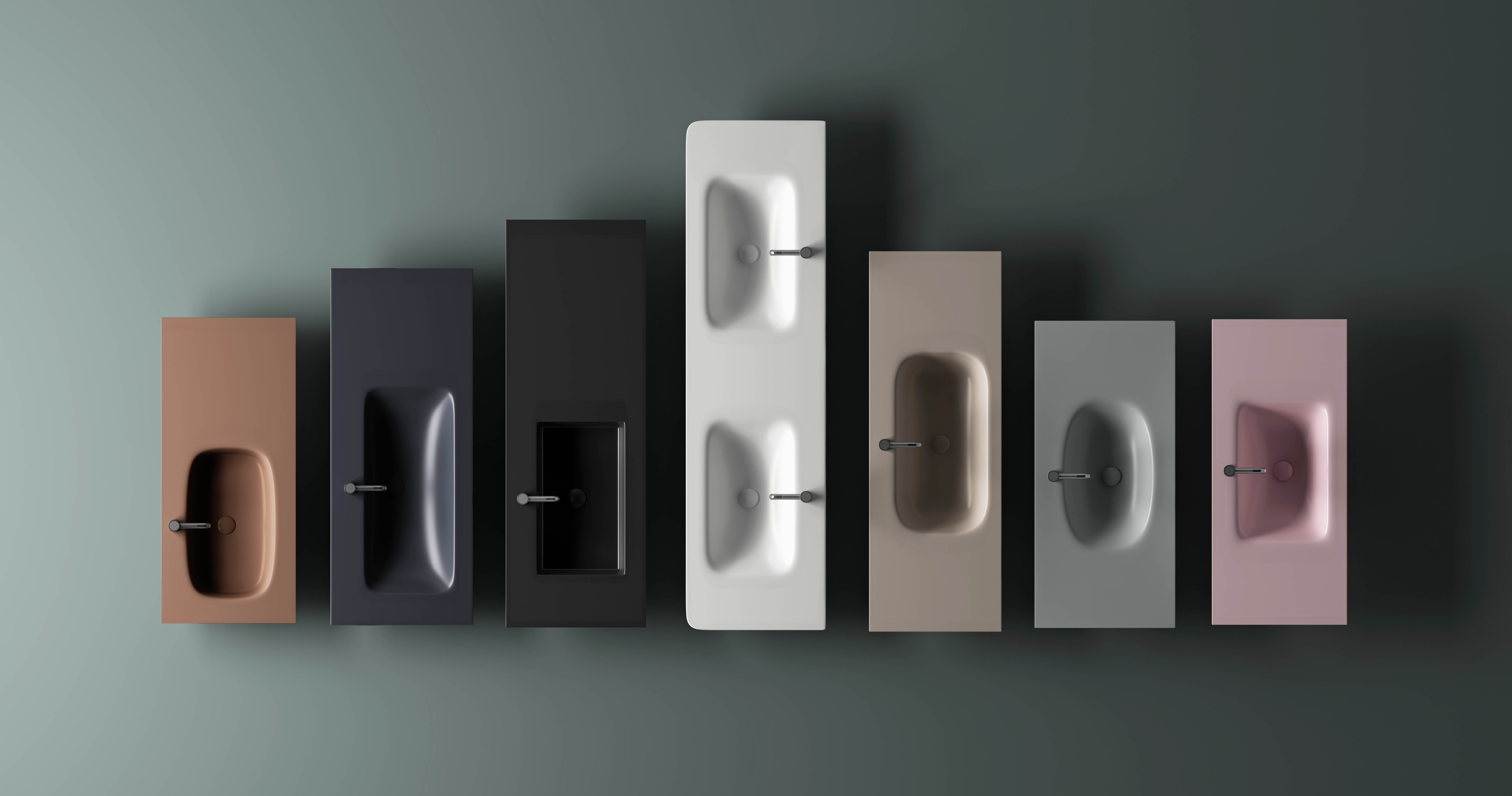
Showrooms thrive on creating memorable experiences, and artistic washbasins offer a unique opportunity to merge practicality with creativity. Unlike standard fixtures, these designs often feature unconventional shapes, textures, or finishes that align with thematic decor or architectural concepts. For instance, a fluid, sculptural basin can complement a minimalist showroom, while a geometric design might enhance an industrial-themed space.
Artificial stone has emerged as a preferred material for artistic washbasins due to its adaptability and resilience. Manufacturers like HONDAO, a Guangdong-based producer with a 21,000-square-meter factory in Zhao Qing City, specialize in creating custom sanitary ware that bridges art and utility. Their team of 200 skilled workers and R&D experts ensures products like bathroom sinks and countertops meet both aesthetic and structural demands. With a daily production capacity of 600 pieces, they cater to diverse design requirements, from organic forms to precise, angular cuts.
Key Considerations for Showroom Washbasin Integration
Spatial Harmony and Proportion
The washbasin’s size and shape should complement the showroom’s scale and layout. In compact spaces, a wall-mounted or corner basin maximizes floor area while maintaining visual impact. Larger rooms can accommodate freestanding or double-basin designs that serve as centerpieces. The goal is to balance functionality with dramatic presence without overwhelming the space.Lighting and Material Interaction
Artificial stone’s matte or glossy finishes react differently to lighting, creating dynamic visual effects. Backlit basins or those placed near natural light sources highlight the material’s translucency or texture, adding depth to the display. For example, a matte black basin under soft ambient lighting exudes sophistication, while a glossy white basin reflects surrounding colors, creating a lively atmosphere.Thematic Consistency
The washbasin’s design should align with the showroom’s overarching theme. A nature-inspired space might feature basins with organic, wave-like contours, while a tech-focused exhibit could showcase sleek, metallic-finished models. Consistency in color palettes, materials, and styling reinforces the narrative and enhances visitor engagement.
Innovative Design Approaches for Artistic Basins
Sculptural Forms and Asymmetry
Breaking away from traditional rectangular or oval shapes, sculptural basins introduce movement and intrigue. Asymmetrical designs, such as a basin that appears to “float” above a countertop or one with an irregular, dripping edge, challenge perceptions and spark conversation. Artificial stone’s moldability allows for such bold experiments without sacrificing durability.
Textured and Layered Surfaces
Adding texture to a basin’s surface creates tactile and visual interest. Techniques like embossing, carving, or embedding materials like pebbles or metal fragments transform a simple fixture into a work of art. For example, a basin with a rippled texture mimics water’s surface, while a layered design using contrasting colors adds dimension.
Integrated Lighting and Technology
Modern washbasins can incorporate LED lighting or smart features to enhance their artistic appeal. Under-basin lighting creates a floating effect, while color-changing LEDs adapt to the showroom’s mood or theme. Touchless faucets or built-in sensors add a futuristic touch, appealing to tech-savvy audiences.
Practical Considerations for Showroom Applications
Durability and Maintenance
Showrooms experience high foot traffic, so washbasins must withstand frequent use and cleaning. Artificial stone’s non-porous surface resists stains, scratches, and bacteria, making it ideal for public spaces. Its ease of maintenance ensures the basin retains its pristine appearance with minimal effort, reducing long-term costs.
Plumbing and Installation Flexibility
Artistic basins often require custom plumbing solutions to accommodate their unique shapes. Wall-mounted or floor-standing models may need hidden supports or specialized drainage systems. Partnering with manufacturers experienced in custom installations ensures seamless integration without compromising design integrity.
Accessibility and Inclusivity
While artistic design is prioritized, accessibility should not be overlooked. Basins should remain at a comfortable height for all users, with ample knee clearance for wheelchair access. Lever-style faucets or touchless controls enhance usability for visitors with varying physical abilities.
Conclusion
Artistic washbasins elevate exhibition spaces by merging practicality with creativity, turning functional fixtures into statement pieces. Their design versatility, coupled with durable materials like artificial stone, allows for endless customization to suit any theme or spatial requirement. By collaborating with manufacturers skilled in both artistry and engineering, showrooms can create immersive environments that leave a lasting impression on visitors. Whether through sculptural forms, textured surfaces, or integrated technology, these basins redefine the role of sanitary ware in modern design.