



Modern style decoration - Selection of basin styles
Date of Release: 2026-03-10
Sharing:


Modern interior design emphasizes clean lines, minimalist aesthetics, and functional beauty.
Selecting Modern-Style Vessel Sinks for Contemporary Home Design
Modern interior design emphasizes clean lines, minimalist aesthetics, and functional beauty. When choosing a vessel sink for a modern bathroom or kitchen, the right style can elevate the space while complementing its overall design language. Vessel sinks, which sit atop countertops rather than being recessed, offer versatility in shape, material, and installation, making them ideal for contemporary spaces. This guide explores key considerations for selecting modern vessel sinks, focusing on design trends, material durability, and practical integration.
Key Design Elements for Modern Vessel Sinks
Modern design thrives on simplicity and innovation, and vessel sinks are no exception. The following elements define modern vessel sink styles:
Geometric Shapes and Sharp Lines
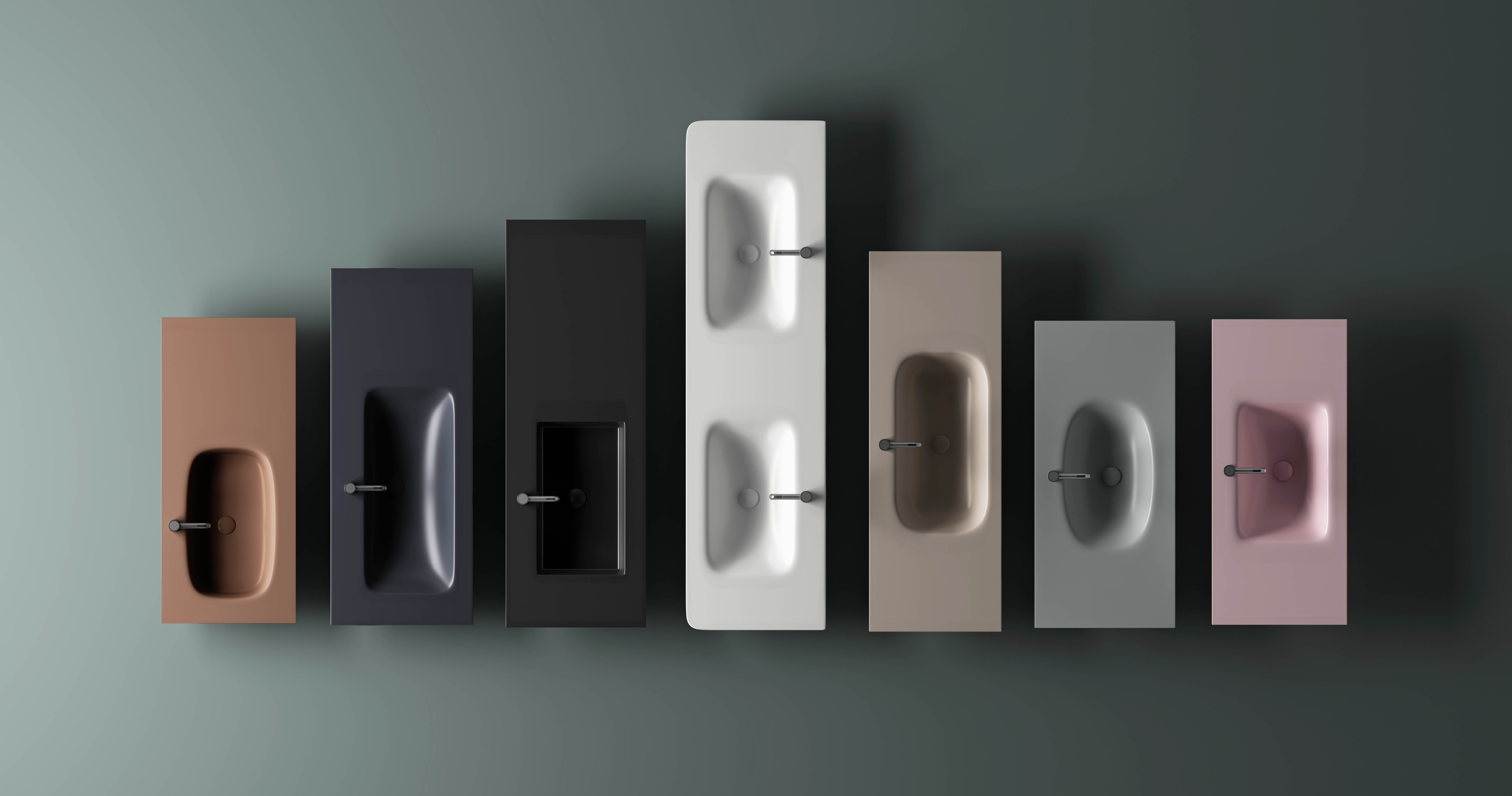
Rectangular, square, or oval sinks with clean, angular edges align perfectly with modern interiors. These shapes create a sense of order and precision, contrasting beautifully with organic countertop materials like stone or wood. For example, a rectangular vessel sink with a flat rim and straight sides adds a sculptural quality to the vanity area.
Organic and Asymmetrical Forms
While geometry dominates modern design, some spaces benefit from softer, more fluid shapes. Asymmetrical vessel sinks—such as those with a gently curved basin or an off-center drain—introduce visual interest without overwhelming the space. These designs often mimic natural forms, like water droplets or flowing rivers, creating a harmonious balance between man-made and organic elements.
Monochromatic and Neutral Color Palettes
Modern interiors typically favor neutral tones like white, gray, black, or beige. Vessel sinks in these colors blend seamlessly into the background, allowing other design elements—such as lighting fixtures or wall art—to take center stage. Matte finishes further enhance the minimalist aesthetic, while glossy surfaces add a touch of sophistication and reflect light to brighten the room.
Material Considerations for Durability and Style
The material of a vessel sink impacts both its appearance and longevity. Modern designs often prioritize materials that are both visually striking and easy to maintain:
Artificial Stone for Versatility and Resilience
Artificial stone has become a go-to material for modern vessel sinks due to its adaptability and durability. It can be molded into virtually any shape, from sleek rectangles to intricate organic forms, while resisting stains, scratches, and heat. Manufacturers like HONDAO, based in Zhao Qing City, Guangdong, specialize in producing artificial stone sanitary ware that meets modern design demands. Their 21,000-square-meter factory produces up to 600 pieces daily, supported by a team of 200 skilled workers and R&D experts. This capacity allows for custom designs, such as vessel sinks with integrated countertops or unique textures that mimic natural stone.
Ceramic and Porcelain for Classic Elegance
Ceramic and porcelain vessel sinks offer a timeless appeal with their smooth, glossy surfaces. These materials are easy to clean and available in a wide range of colors and finishes, from pure white to deep black. Their affordability and wide availability make them a popular choice for modern budget-conscious renovations.
Glass for Lightness and Transparency
Tempered glass vessel sinks add a sense of airiness to modern bathrooms or kitchens. Available in clear, frosted, or tinted variations, glass sinks reflect light and create an illusion of space. They pair well with minimalist faucets and metallic accents, enhancing the room’s contemporary feel.
Practical Integration of Vessel Sinks in Modern Spaces
Even the most stylish vessel sink must function well in daily life. Consider the following practical aspects when selecting and installing a modern vessel sink:
Countertop Compatibility and Height
Vessel sinks require a countertop with enough surface area to support the basin without looking crowded. The height of the sink is also crucial—it should align comfortably with the user’s arm length to prevent strain during tasks like handwashing or brushing teeth. A general rule is to install the sink 8–10 inches above the countertop, but this can vary based on the sink’s depth and the user’s preferences.
Faucet Selection and Placement
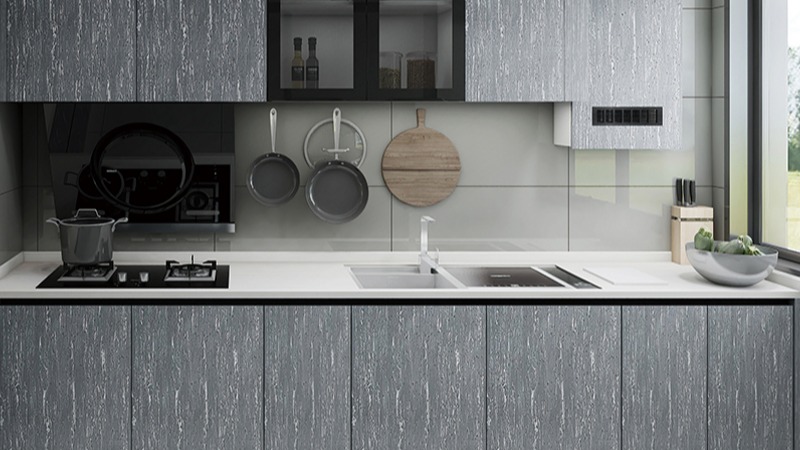
Modern vessel sinks often pair with tall, arc-shaped faucets or wall-mounted fixtures that emphasize the sink’s sculptural quality. Ensure the faucet’s spout reaches far enough into the basin to prevent water from splashing onto the countertop. Single-handle faucets with sleek, minimalist designs complement modern aesthetics while offering ease of use.
Drainage and Plumbing Considerations
Vessel sinks typically use above-counter drains, which are visible and can become a design feature. Choose a drain finish—such as brushed nickel, chrome, or matte black—that matches the faucet and other hardware in the room. Additionally, ensure the plumbing is neatly concealed beneath the countertop to maintain a clean, uncluttered look.
Conclusion
Modern vessel sinks offer endless possibilities for enhancing contemporary bathrooms and kitchens. By focusing on geometric or organic shapes, neutral color palettes, and durable materials like artificial stone, homeowners can create spaces that are both functional and visually striking. Practical considerations—such as countertop compatibility, faucet selection, and drainage design—ensure the sink integrates seamlessly into daily life. Collaborating with manufacturers experienced in custom sanitary ware, like those specializing in artificial stone products, allows for tailored solutions that meet specific design and functional needs. With the right vessel sink, even the smallest details can contribute to a cohesive, modern aesthetic.