



Safe selection of anti-slip handwashing basins for children
Date of Release: 2026-03-11
Sharing:


Ensuring children’s safety during daily routines like handwashing requires thoughtful selection of bathroom fixtures.
Choosing Safe Non-Slip Handwashing Basins for Children: A Practical Guide
Ensuring children’s safety during daily routines like handwashing requires thoughtful selection of bathroom fixtures. Non-slip handwashing basins are designed to minimize accidents, but choosing the right one involves evaluating material durability, design features, and manufacturing expertise. Here’s how to make an informed decision.
Material Quality and Durability
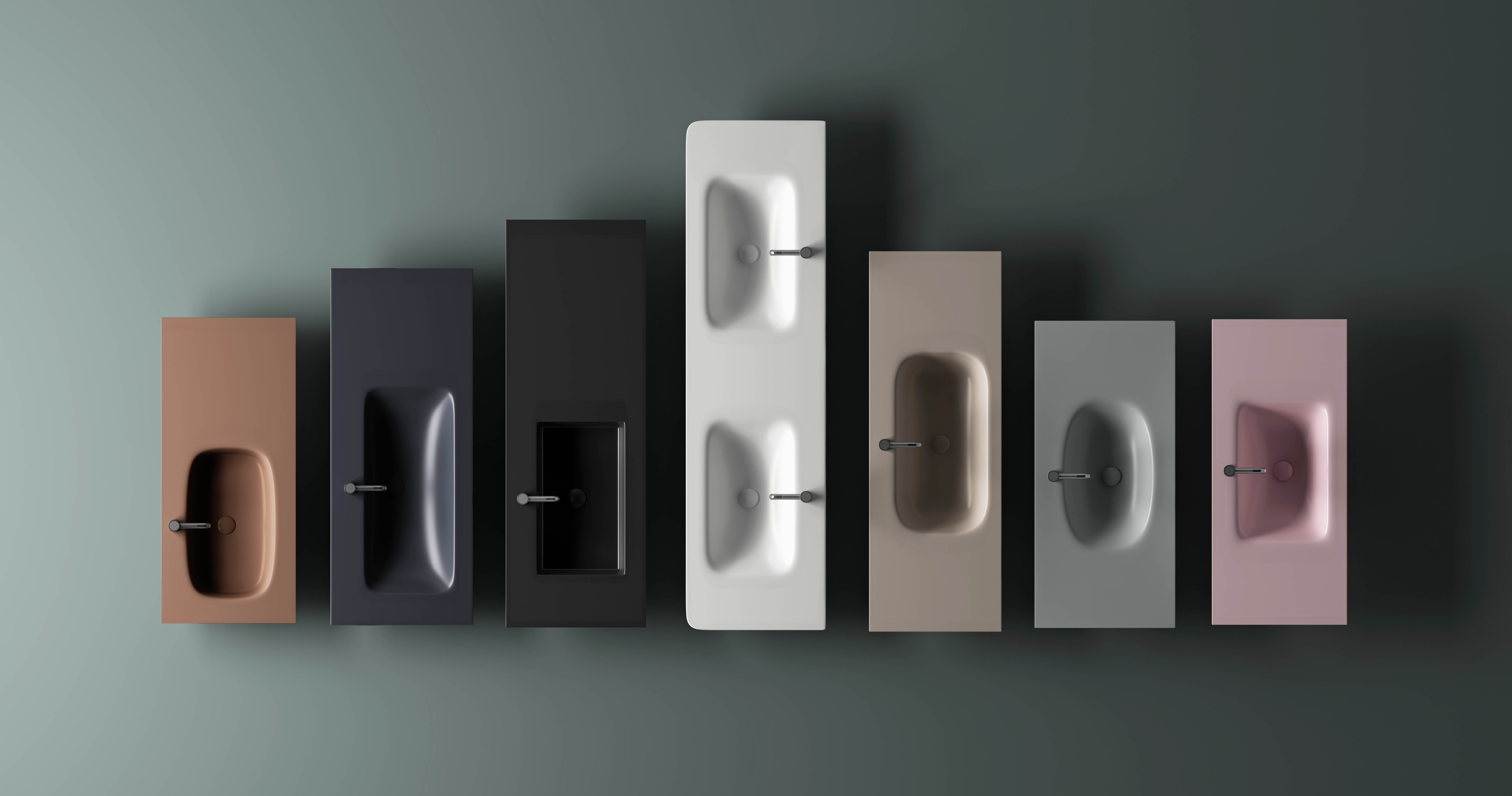
The foundation of a safe basin lies in its material. Artificial stone, a blend of natural minerals and resin, is a popular choice for its non-porous surface, which resists stains and bacterial growth. This material is also less prone to cracking or chipping compared to traditional ceramics, reducing sharp edges that could harm children.
When selecting a basin, prioritize manufacturers with advanced production capabilities. For instance, a facility spanning 21,000 square meters with daily output of 600 pieces demonstrates scalability and consistency in quality control. Such infrastructure ensures materials meet safety standards and withstand frequent use in high-traffic areas like children’s bathrooms.
Design Features for Child Safety
A basin’s design should address common risks for children, such as slipping or knocking into hard surfaces. Look for rounded edges and smooth finishes to prevent injuries. The basin’s depth and slope also matter—shallow basins with gentle gradients allow water to drain quickly, reducing standing water that could lead to slips.
Anti-slip textures on the basin’s rim or surrounding countertop provide additional grip. Some models incorporate raised edges or integrated steps to help children reach the faucet safely. These features, combined with a stable mounting system, create a secure environment for independent handwashing.
Manufacturing Expertise and Quality Assurance
Partnering with a manufacturer experienced in producing artificial stone sanitary ware ensures reliability. A team of 200 skilled workers, supported by dedicated R&D and quality control (QC) departments, can refine designs to meet child-specific safety needs. For example, prototypes might undergo stress tests to simulate long-term use or evaluate impact resistance.
Continuous innovation is another hallmark of reputable manufacturers. Those investing in R&D often develop proprietary techniques to enhance material properties, such as improving scratch resistance or optimizing weight distribution for stability. A 24-hour sales team further indicates a commitment to customer support, addressing concerns promptly during installation or maintenance.
Key Considerations Beyond the Basin
While the basin itself is critical, surrounding elements also influence safety. Ensure faucets have child-friendly handles or automatic sensors to prevent scalding. Non-slip mats placed near the basin add another layer of protection. Regular maintenance, such as checking for loose fittings or cleaning drainage systems, helps maintain safety over time.
By prioritizing material quality, thoughtful design, and manufacturing expertise, caregivers can create a bathroom environment that supports children’s independence while minimizing risks. Artificial stone products, crafted in facilities like the one in Zhao Qing City, Guangdong, offer a blend of durability and practicality suited for family spaces. With attention to detail and collaboration with experienced producers, selecting a non-slip handwashing basin becomes a straightforward step toward safer daily routines.